Treatments
What each treatment is, who it suits, how many visits it takes, what to expect and its risks. Your own plan comes after a check-up.
Illustration
Complete dentures
A full set of removable teeth, upper, lower or both, made to fit your gums.
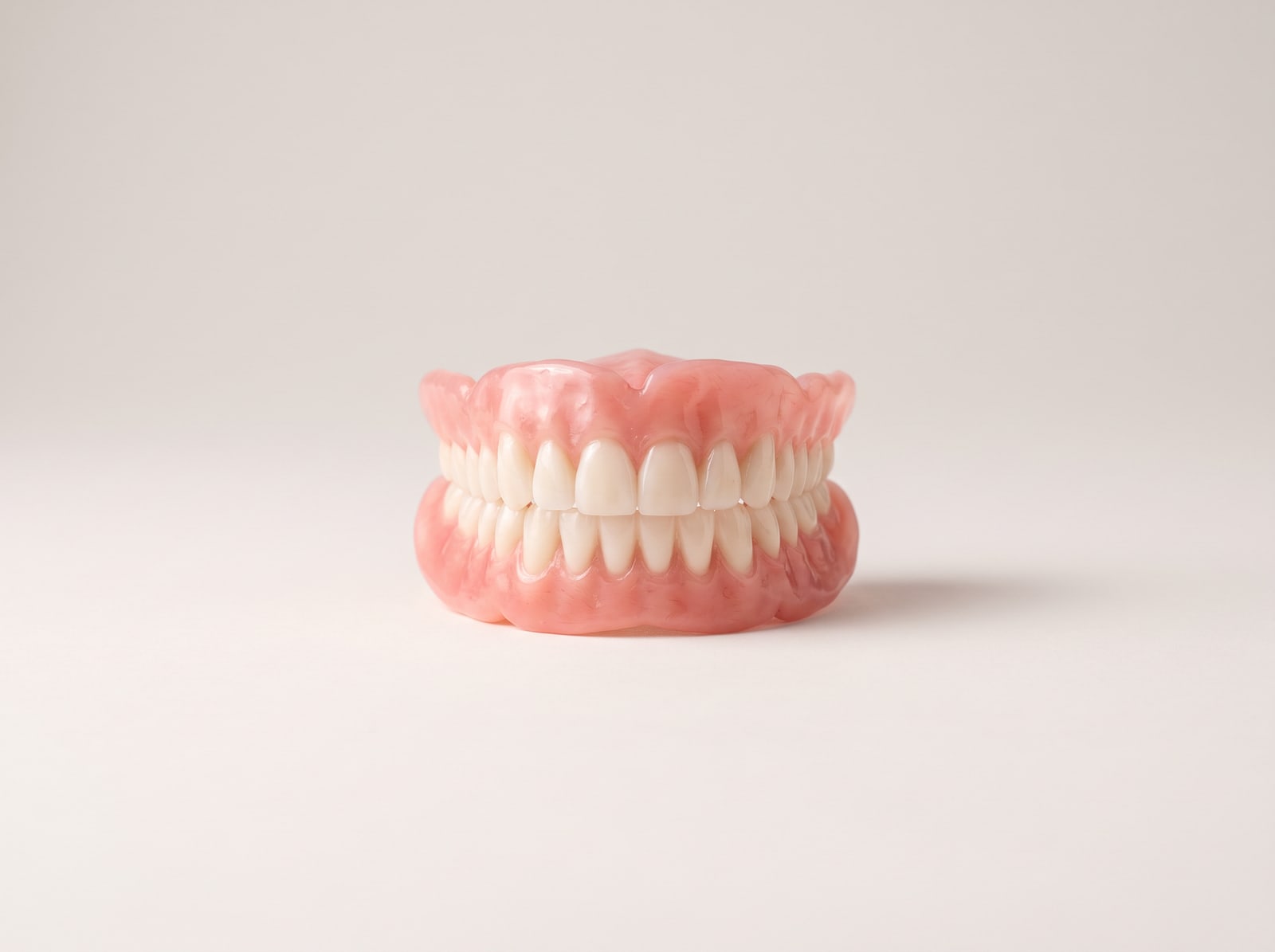
Who it is for: People who have lost all the teeth in a jaw.
Visits: Usually several over a few weeks: impressions, recording your bite, a try-in, then the fitting.
What to expect: Eating and speaking take practice for a few weeks. Sore spots are common at first and are adjusted at follow-up visits.
Risks and alternatives: Sore spots, and a looser fit over the years as the gums change, which a reline can fix. Alternatives: overdentures or fixed teeth on implants.
Illustration
Overdentures
A denture that clips onto a few kept tooth roots or onto implants, for a firmer hold.
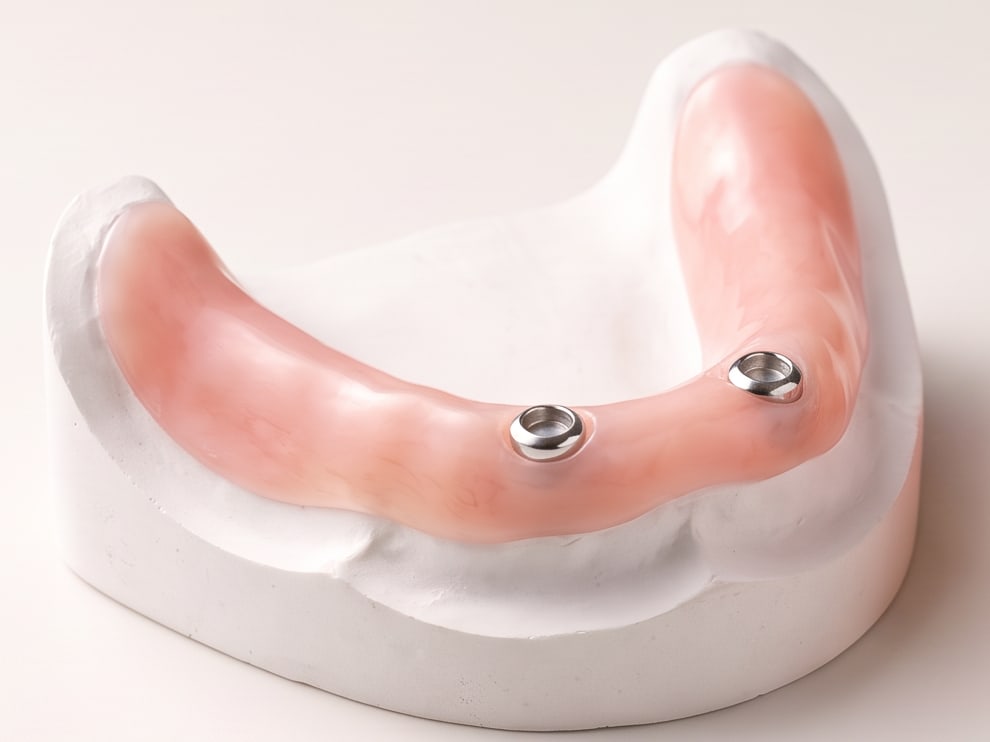
Who it is for: People with a few healthy roots left, or who can have implants placed.
Visits: Several. Roots are prepared, or implants placed and left to heal, before the denture is made.
What to expect: The denture still comes out for cleaning. The clips need cleaning every day and wear out over time.
Risks and alternatives: Kept roots can decay, and implants carry the risks of surgery. Alternatives: complete dentures or fixed teeth on implants.
Illustration
Fixed teeth on implants
A full row of teeth fixed onto several implants (often called All-on-4 or All-on-6). It stays in; only your dentist takes it off.
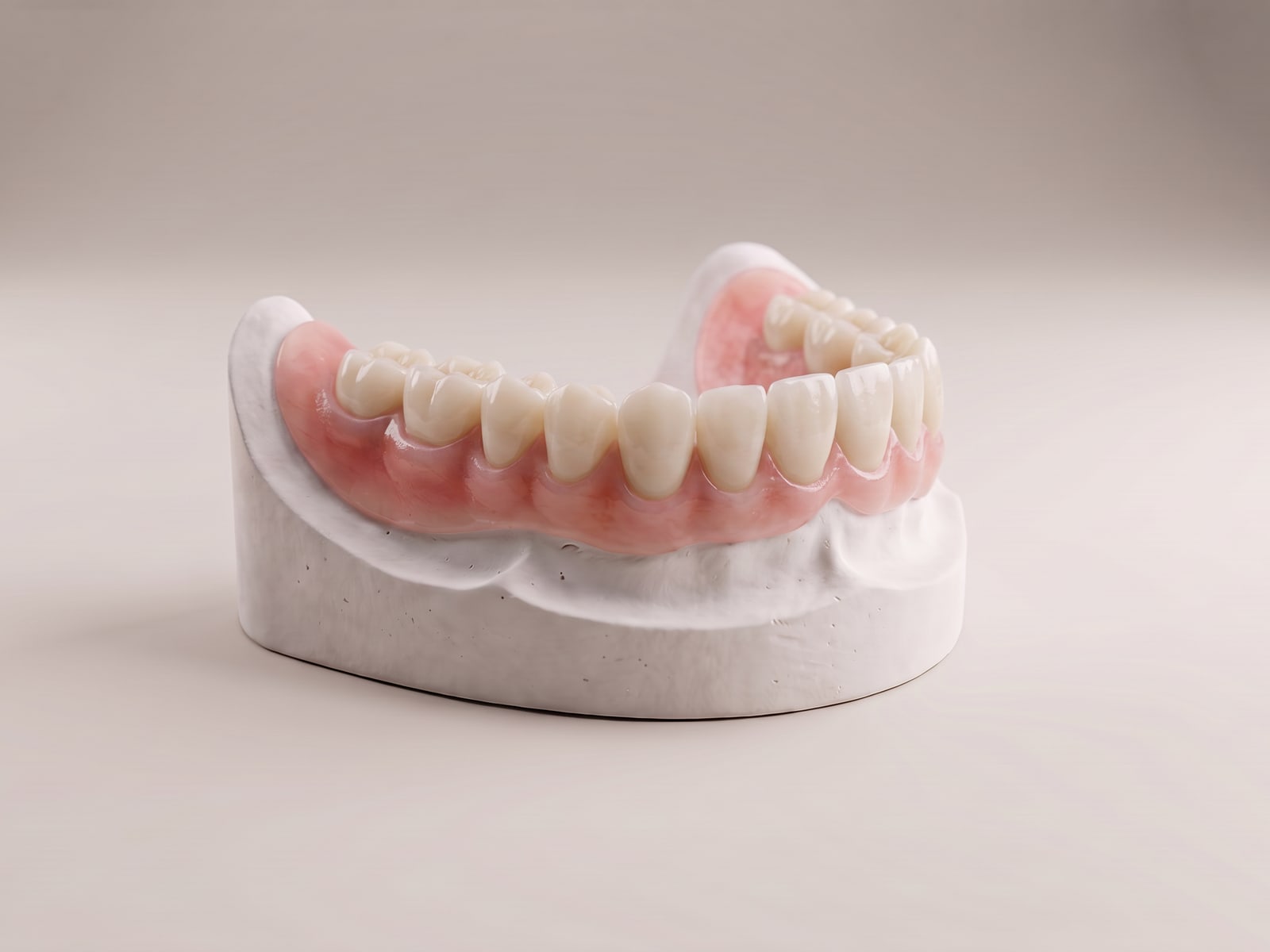
Who it is for: People who have lost all or most of the teeth in a jaw and have enough bone for implants, which X-rays or a scan show.
Visits: Implant placement, a healing time of some months, then the final bridge. Temporary teeth are sometimes possible during healing; this depends on your case.
What to expect: Daily cleaning with special brushes or floss, and regular check-ups.
Risks and alternatives: Surgery can bring swelling, pain and infection; an implant may not join the bone; the bridge may need repairs. Alternatives: overdentures or complete dentures. Dr. Ahmad tells you who does each step of your treatment.
Illustration
Crowns and bridges
A crown covers a broken or weak tooth. A bridge fills a gap by joining a false tooth to the teeth beside it.
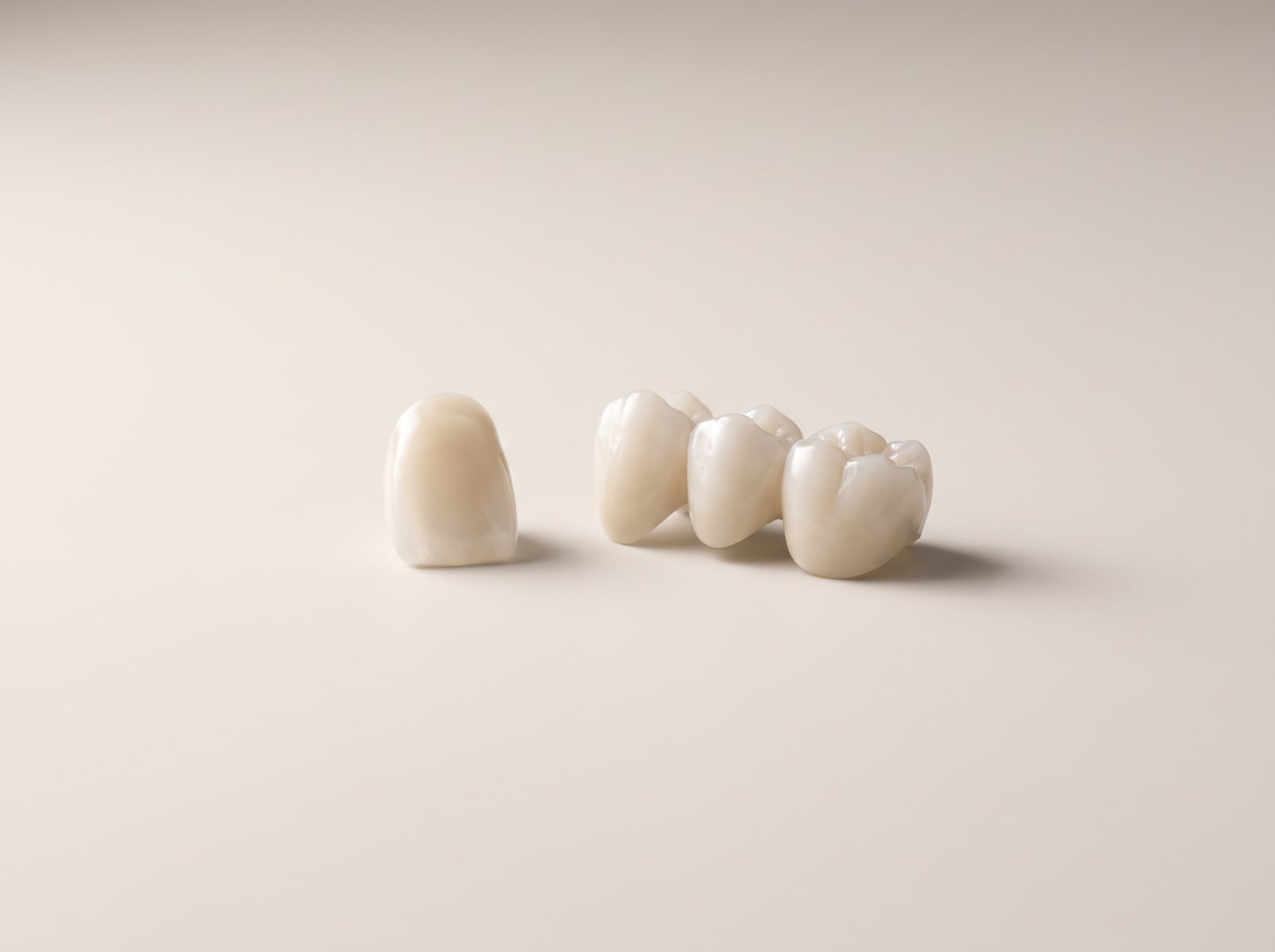
Who it is for: Teeth too damaged for a filling, or a gap of one or two teeth.
Visits: Usually two: one to prepare the tooth and take a scan or impression, one to fit the crown or bridge.
What to expect: A temporary crown between visits, and some sensitivity for a short time after.
Risks and alternatives: Sensitivity; the nerve of a crowned tooth may need root canal treatment later; porcelain can chip. Alternatives: a large filling, an implant or a partial denture.
Illustration
Partial dentures
Removable teeth that fill the gaps between your own, held by small clasps.
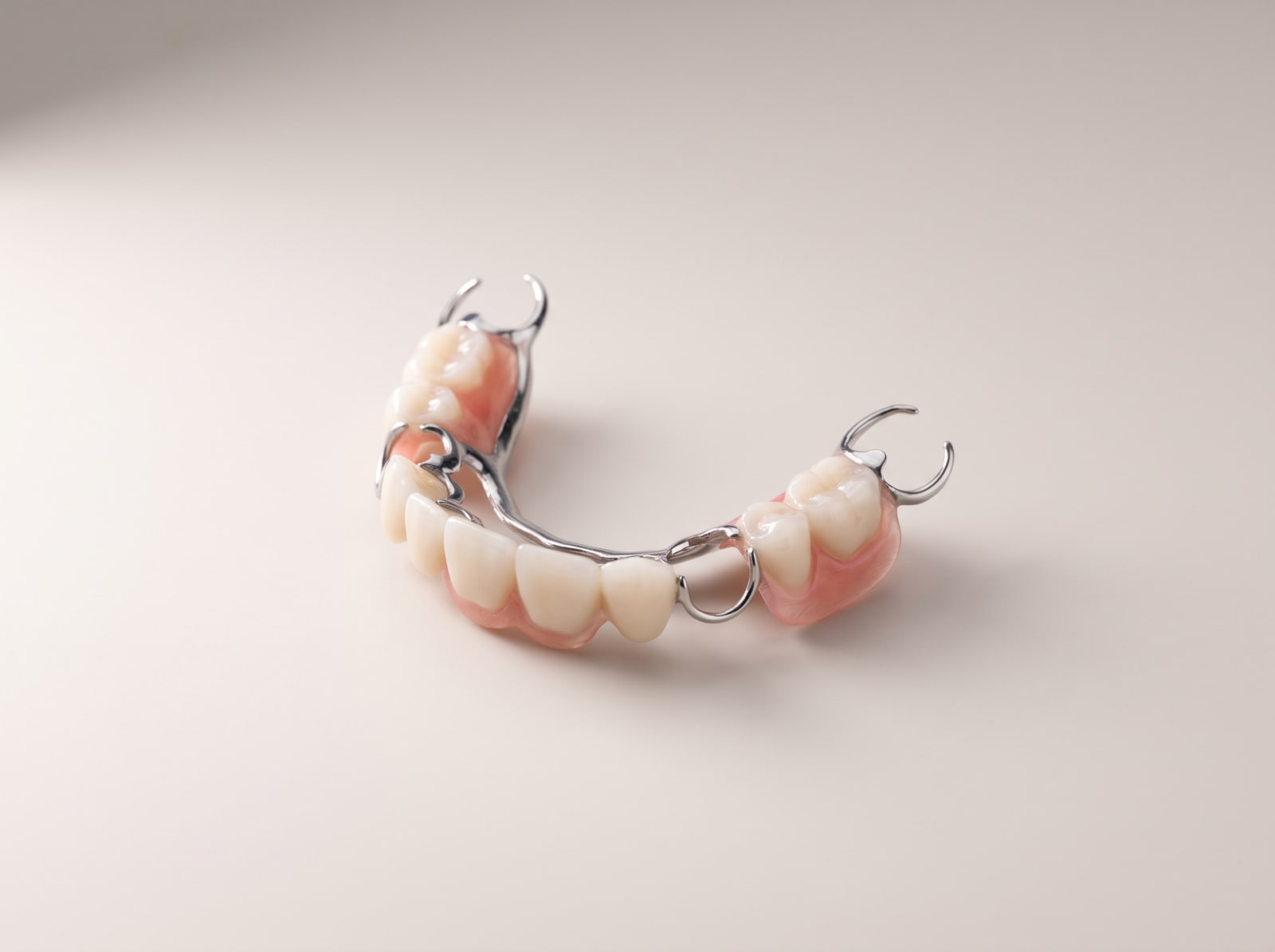
Who it is for: People who still have some healthy teeth.
Visits: Several: impressions, a try-in and the fitting.
What to expect: It comes out for cleaning. The clasps may show a little when you smile.
Risks and alternatives: The teeth that hold the clasps need extra care. Alternatives: bridges or implants.
Illustration
Check-ups, cleaning and fillings
An exam with X-rays when needed, scaling and cleaning, tooth-coloured fillings and root canal treatment.
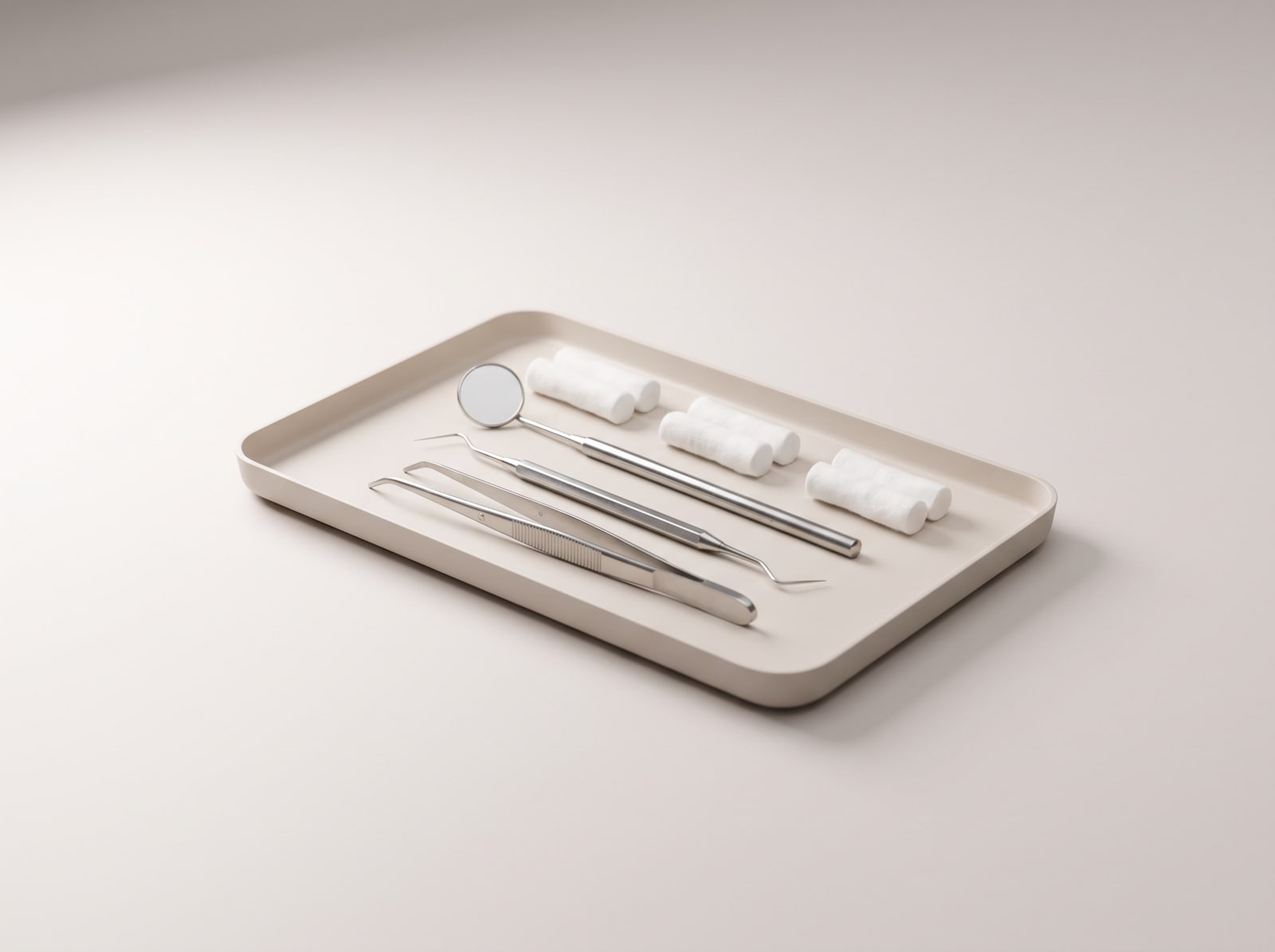
Who it is for: Everyone, at the interval your dentist advises.
Visits: One for a check-up and cleaning; more for fillings or a root canal.
What to expect: Local anaesthetic for fillings and root canals, so you should feel pressure rather than pain.
Risks and alternatives: Short-lived sensitivity after a filling; a root-canal-treated tooth may later need a crown. Your options are explained at the check-up.
How a visit works
Check-up and photos
An exam, X-rays if needed, and photos of your teeth.
A plan you understand
Your options, their risks, the number of visits and the cost, before anything starts.
Treatment
Step by step, at the pace you agree.
Follow-up
Adjustments and check-ups after the treatment.
Questions about treatment
Plain answers to what patients ask most.
Does treatment hurt?
Most treatments are done with local anaesthetic, so you should feel pressure rather than pain. Some soreness for a few days afterwards is common. Dr. Ahmad tells you what to expect for yours.
How long do new dentures take?
Usually several visits over a few weeks: impressions, your bite, a try-in and the fitting.
Dentures or implants: which is right for me?
It depends on your mouth, your bone, your health and your budget. After a check-up, Dr. Ahmad explains each option with its risks and cost, and you choose.
How do I care for my dentures?
Brush them every day, take them out at night unless told otherwise, keep them in water or a soaking solution, and come back for check-ups.
Can I eat normally with new dentures?
Most people learn over a few weeks. Start with soft food cut into small pieces.
How long does a crown last?
It depends on your bite and how you care for it. Regular check-ups help find problems early.
How much does treatment cost?
It depends on the treatment and your case. You get the cost before treatment starts.
Let's talk about your smile
Call or send a WhatsApp message to book a visit.
Book a visit